
Movers Cargo Liability Insurance: Protecting Your Moving Company From Risk
Moving companies face real financial exposure every day. Damaged customer belongings lead to costly claims, legal disputes, and reputation damage that can threaten your business.
Movers cargo liability insurance protects you from these risks by covering damage to items in your care. At Saberlines Insurance Services, we help moving companies understand their coverage options and build protection strategies that match their actual operations.
What Cargo Liability Insurance Actually Covers
Cargo liability insurance for moving companies covers physical damage to customer belongings while those items are in your possession. This protection applies from the moment goods are loaded onto your truck until they’re unloaded at the destination. The coverage pays for repair or replacement costs when items are damaged, lost, or destroyed during transit due to accidents, weather events, or handling errors.
Most policies cover furniture, electronics, appliances, artwork, and general household goods. However, the scope varies significantly between carriers and policy types. Vague coverage language creates problems when claims happen, which is why you need to clarify exactly what your specific policy protects. Standard cargo liability typically covers damage from vehicle accidents, fire, theft, and weather exposure. It does not cover damage from poor packing techniques that your crew performed, nor does it cover items damaged by the shipper before pickup.
High-Value Items Require Separate Protection
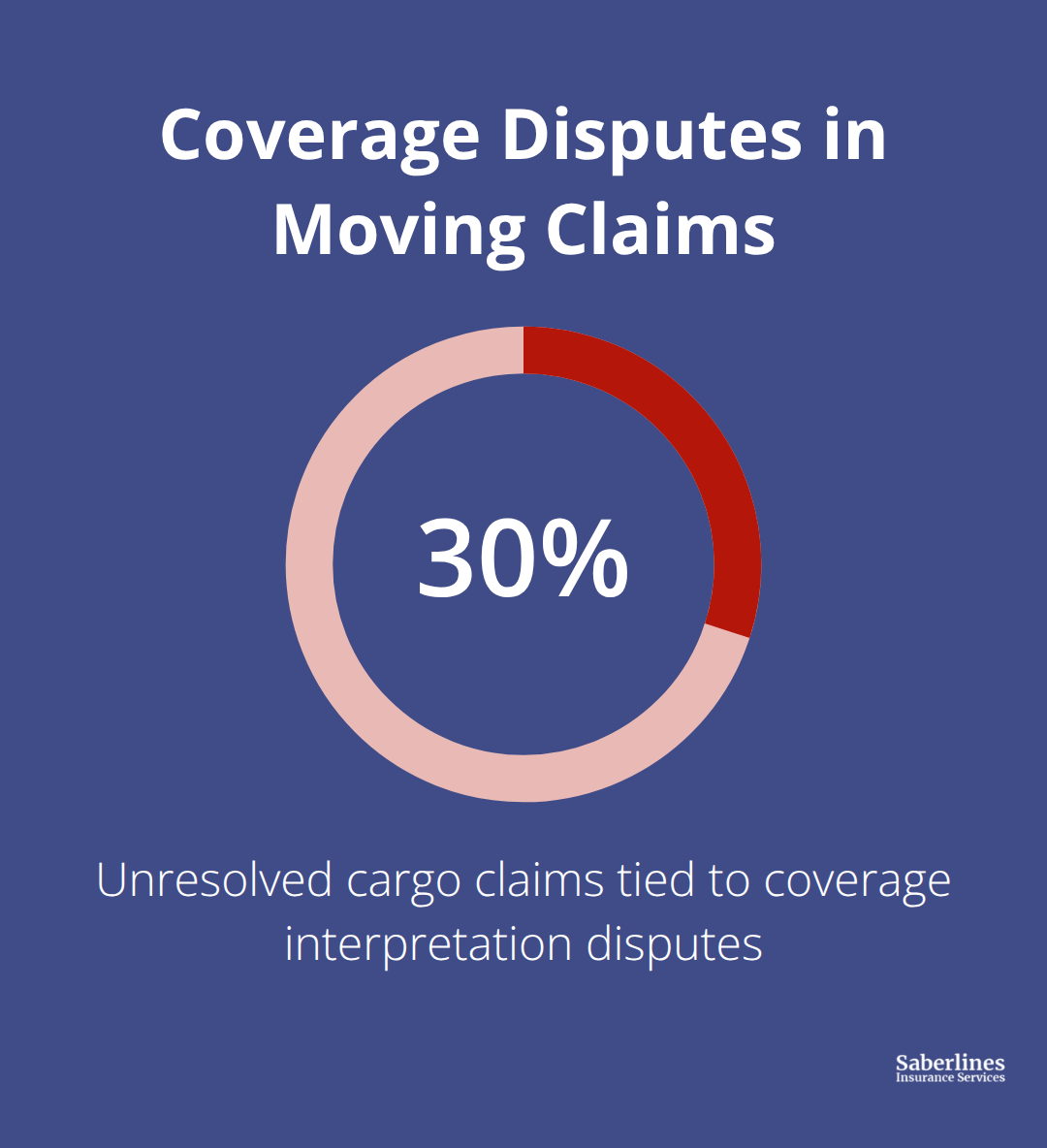
High-value items like jewelry, fine art, or antiques require separate coverage through a rider or inland marine policy. Many moving companies underestimate the importance of these distinctions, leading to denied claims on exactly the items customers value most. The American Moving and Storage Association reports that disputes over coverage interpretation account for approximately 30% of unresolved cargo claims in the moving industry. Understanding your policy’s specific coverage limits prevents this costly confusion when damage occurs.
Coverage Limits Determine Your Real Protection
Coverage limits represent the maximum amount your insurance will pay for a single claim or per item. Standard cargo liability policies often cap coverage at 60 cents per pound per item, which means a damaged leather sofa weighing 150 pounds generates only a $90 claim payment. This inadequate protection forces moving companies to absorb the difference or face angry customers and negative reviews.
Many successful moving operations carry coverage limits between $100,000 and $500,000 to match their actual business size and customer base. The right limit depends on your average shipment value and the number of moves you complete monthly.
Deductibles Impact Your Bottom Line
Deductibles typically range from $500 to $2,500 per claim, meaning you pay this amount before insurance coverage kicks in. Higher deductibles lower your premium costs but increase out-of-pocket expenses when damage occurs. Moving companies that process high-volume, lower-value moves often benefit from higher deductibles, while those handling specialty or high-value relocations should maintain lower deductibles to protect margins. Your choice between these options directly affects both your cash flow and your ability to satisfy customers when incidents happen.
Why Your Moving Company Needs Cargo Liability Insurance
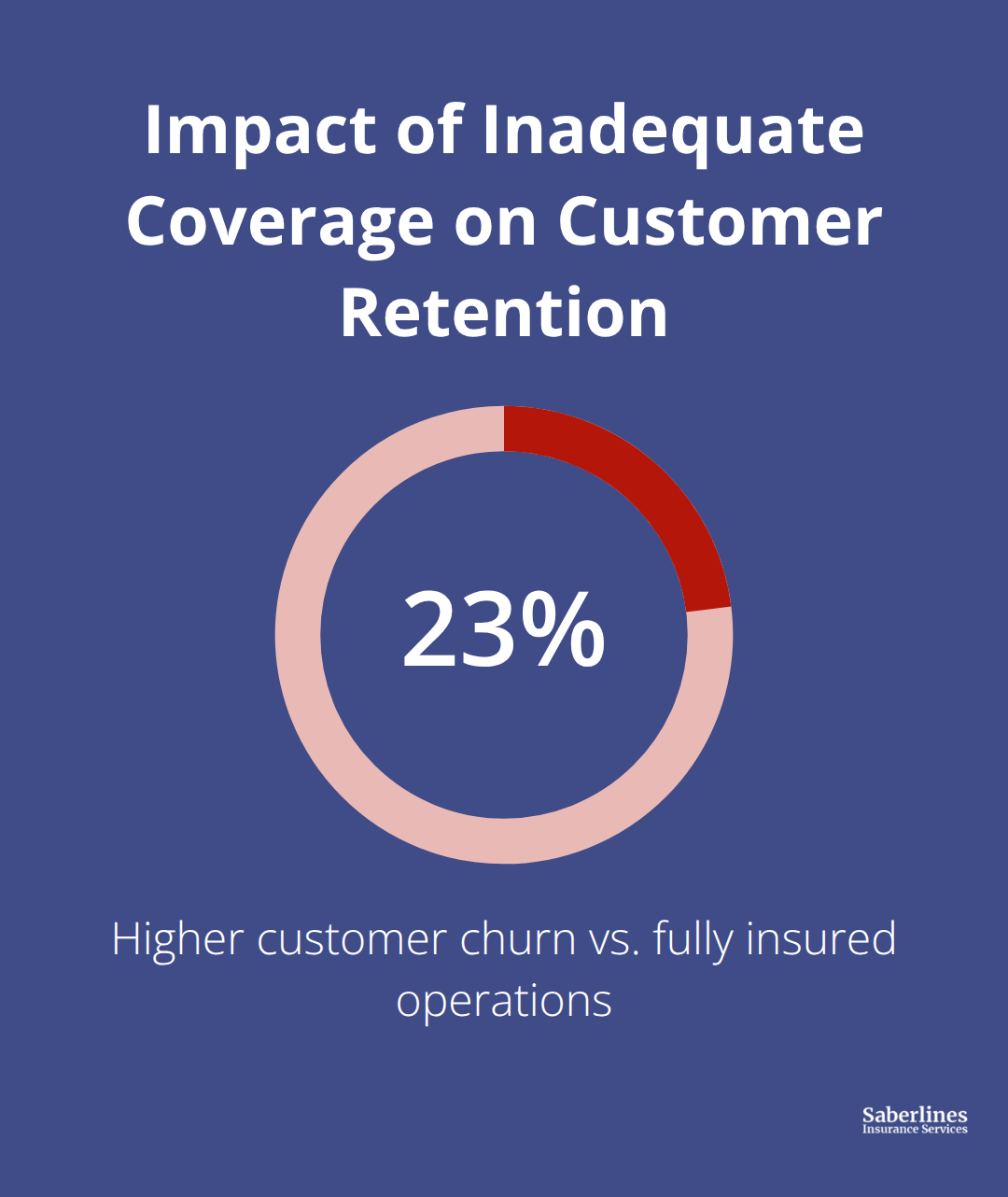
Without cargo liability insurance, a single damaged shipment drains thousands from your operating budget. A customer’s grand piano worth $8,000 gets scratched during loading, or a family’s antique dining set breaks in transit-suddenly you face a choice between absorbing the loss or confronting an angry customer who leaves devastating reviews online. Industry data shows that moving companies without adequate cargo coverage report an average of 23% higher customer churn rates compared to fully insured operations. The financial hit extends beyond the immediate claim payout because reputation damage translates directly into lost business.
Financial Exposure From High-Value Shipments
Moving companies that handle high-value relocations face substantial exposure, as a single claim can exceed $50,000 when protecting artwork, collections, or luxury furnishings. Cargo liability insurance transforms these catastrophic scenarios into manageable business expenses covered by your carrier rather than your bank account. Without this protection, you absorb losses that can threaten your entire operation.
State Laws Mandate Coverage Requirements
Most states require moving companies to carry cargo liability insurance as a condition of operating legally. The Federal Motor Carrier Safety Administration mandates that interstate moving companies maintain liability coverage, with minimum limits typically starting at $75,000 for intrastate operations and $500,000 for interstate moves. Operating without proper coverage exposes you to regulatory fines, license suspension, and legal liability that no moving company can survive.
Carriers and brokers who contract with your company often demand proof of coverage before accepting shipments. Many major moving brokers require minimum coverage limits of $250,000 to $1,000,000, meaning inadequate insurance automatically eliminates you from profitable contract opportunities. Compliance opens market access rather than simply following rules.
Protecting Your Cash Flow From Claims
A single uninsured damage claim forces you to choose between customer compensation and operational expenses like payroll and fuel costs. Moving companies with limited cash reserves face genuine hardship when a customer demands $15,000 for damaged belongings and you lack insurance to cover it. With proper cargo liability coverage, these incidents become predictable business expenses managed through deductibles rather than unexpected financial emergencies.
Companies that maintain cargo insurance report more stable monthly cash flow because they don’t suddenly divert funds to settle unexpected claims. The right coverage structure protects both your finances and your ability to compensate customers fairly when damage occurs. Understanding how to assess your specific risk exposure determines whether your coverage actually matches your business operations.
How to Choose the Right Cargo Liability Coverage
Calculate Your Actual Shipment Values
Choosing cargo liability coverage requires honest assessment of what you actually move, not what you think you move. Most moving companies either underestimate their risk exposure or purchase generic coverage that doesn’t align with their specific operations. Start by calculating your average shipment value over the past twelve months. Pull your invoices from the last year and divide total revenue by number of moves to establish a baseline.
If your average move generates $3,500 in revenue and you handle 40 moves monthly, your typical customer shipment contains approximately $3,500 in belongings. Standard 60-cents-per-pound coverage becomes obviously inadequate when you run these numbers. Next, identify your highest-value moves from the past year. Did you move a grand piano worth $12,000? Handle an art collection valued at $45,000? Transport executive household goods totaling $28,000?
These outlier moves determine your actual risk exposure far more than average shipments do. Many moving companies discover they need 2 to 3 times their initial coverage estimates after analyzing their real transaction history. Your coverage limits should accommodate your top 5% of moves, not your median move.
Match Deductibles to Your Cash Reserves
Deductible selection depends on your monthly cash reserves and customer satisfaction priorities. A moving company with $50,000 in liquid reserves can comfortably absorb a $2,500 deductible per claim without operational disruption. A company with $15,000 in reserves faces genuine hardship with anything above $500.
The lower your deductible, the higher your premium, but the insurance company handles more claims directly rather than forcing you to negotiate with unhappy customers. Moving companies handling specialty relocations should maintain $250 to $500 deductibles because customer expectations for premium service include faster claim resolution. High-volume, lower-value operations can accept $1,500 to $2,500 deductibles to reduce premium costs.
Compare Multiple Carrier Quotes
Comparing actual quotes from multiple carriers reveals dramatic differences in pricing and coverage structure. Get quotes from at least three carriers and request identical coverage limits and deductibles from each one. A $250,000 coverage limit with a $1,000 deductible might cost $1,200 annually from one carrier and $2,100 from another, representing a 75% price difference for identical protection.
Carriers also vary significantly in what they consider standard exclusions. Some exclude damage from inadequate packing by your crew, while others cover it. Some restrict coverage for items left unattended in vehicles, others don’t. These distinctions matter enormously when claims occur.
Request Detailed Coverage Summaries
Request a detailed coverage summary from every carrier that clearly lists what is covered, what is excluded, and specific dollar limits for high-value item categories. Don’t accept vague language about coverage scope. Ask your insurance provider to explain how they would handle three specific damage scenarios relevant to your business: a damaged antique mirror worth $2,000, a scratched leather sofa, and water damage to electronics from weather exposure during transit.
Their responses reveal whether they understand your actual operations or are simply selling generic policies. The carrier that asks detailed questions about your specific moves and customer base (rather than offering one-size-fits-all solutions) typically provides better protection when claims actually happen.
Final Thoughts
Movers cargo liability insurance protects your business from the financial devastation that one uninsured damage claim creates. A single scratched antique or water-damaged electronics shipment can eliminate months of profit, destroy customer relationships, and trigger regulatory penalties that threaten your operating license. Moving companies that carry proper coverage report significantly better customer retention and stable cash flow because they handle claims as predictable business expenses rather than catastrophic surprises.
Three concrete actions move you forward immediately. First, calculate your actual shipment values by reviewing twelve months of invoices and identifying your highest-value moves-this honest assessment reveals whether your current coverage limits match your real operations or leave dangerous gaps. Second, select a deductible that aligns with your cash reserves and customer expectations, since lower deductibles cost more but eliminate customer friction when damage occurs.
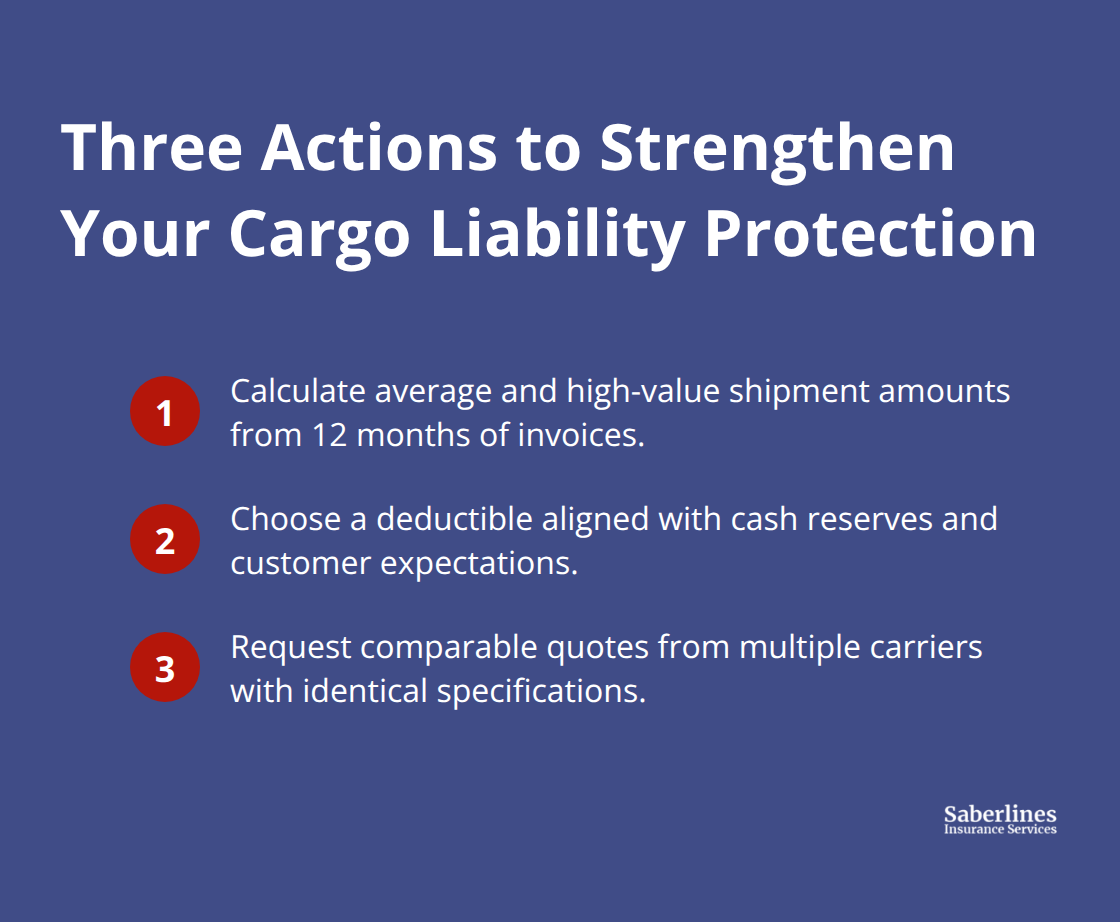
Third, request detailed quotes from multiple carriers with identical coverage specifications so you can compare pricing and exclusion language side by side.
Adequate movers cargo liability insurance attracts higher-value customers who expect professional protection, qualifies you for lucrative broker contracts that demand minimum coverage limits, and protects your personal assets from liability exposure. Contact Saberlines Insurance Services to discuss your specific cargo liability needs with specialists who understand the moving industry and can help you build protection strategies that keep your business compliant and protected.
The information provided in this blog is for general informational purposes only and does not constitute legal, financial, or insurance advice. Coverage options, terms, and availability may vary. Please consult with a licensed professional for advice specific to your situation.